info@wolsports.com
0086 132 8323 3443
Factory price pilates equipments

info@wolsports.com
0086 132 8323 3443
Factory price pilates equipments
A 20ft container takes roughly 12 to 18 crated reformers, or 24 to 30 knocked down. Here is what actually sets the count, and what to ask your supplier.
The question shows up in almost every first conversation with a new dealer. How many machines fit in one container?
Then the quotes come in. One factory says 15. Another says 28. A third says 40. Same container. Roughly the same reformer.
None of them is lying. They are describing three different packing methods, and the gap between 15 and 40 is the most expensive misunderstanding in this trade.
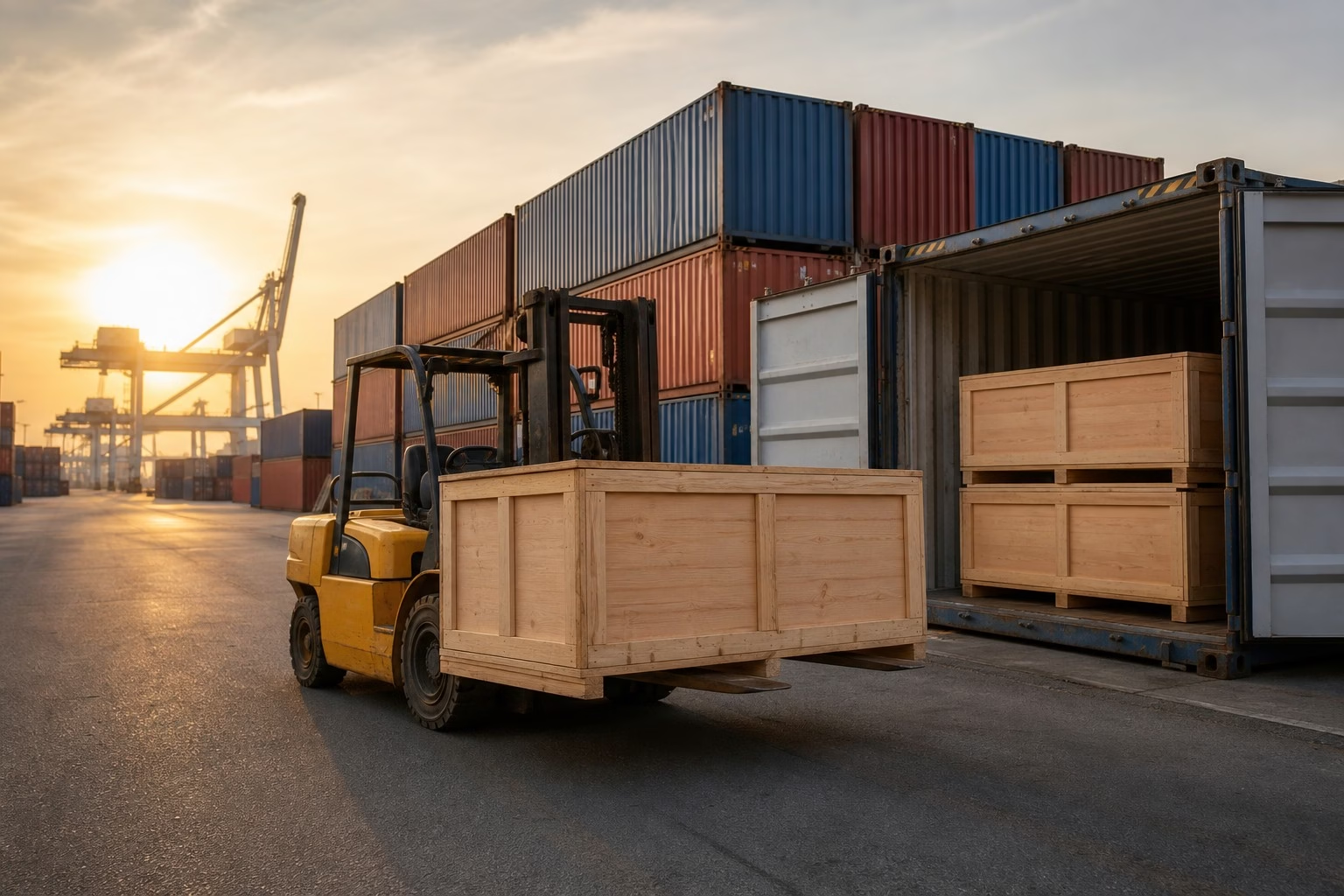
Volume decides the count, not the number of machines you want to send. A standard 20ft container gives you about 33 cubic metres of usable space. A 40ft gives about 67. A 40ft high cube gives about 76.
Against those numbers, here is what a normal commercial reformer load looks like:
| Container | Usable volume | Assembled, crated | Knocked down |
|---|---|---|---|
| 20ft | ~33 cbm | 12 to 18 | 24 to 30 |
| 40ft | ~67 cbm | 24 to 36 | 48 to 60 |
| 40ft high cube | ~76 cbm | 28 to 42 | 55 to 75 |
Treat these as planning ranges. The final number comes from your actual crate dimensions, and I would not sign a purchase order on a table alone.
Three variables do almost all the work.
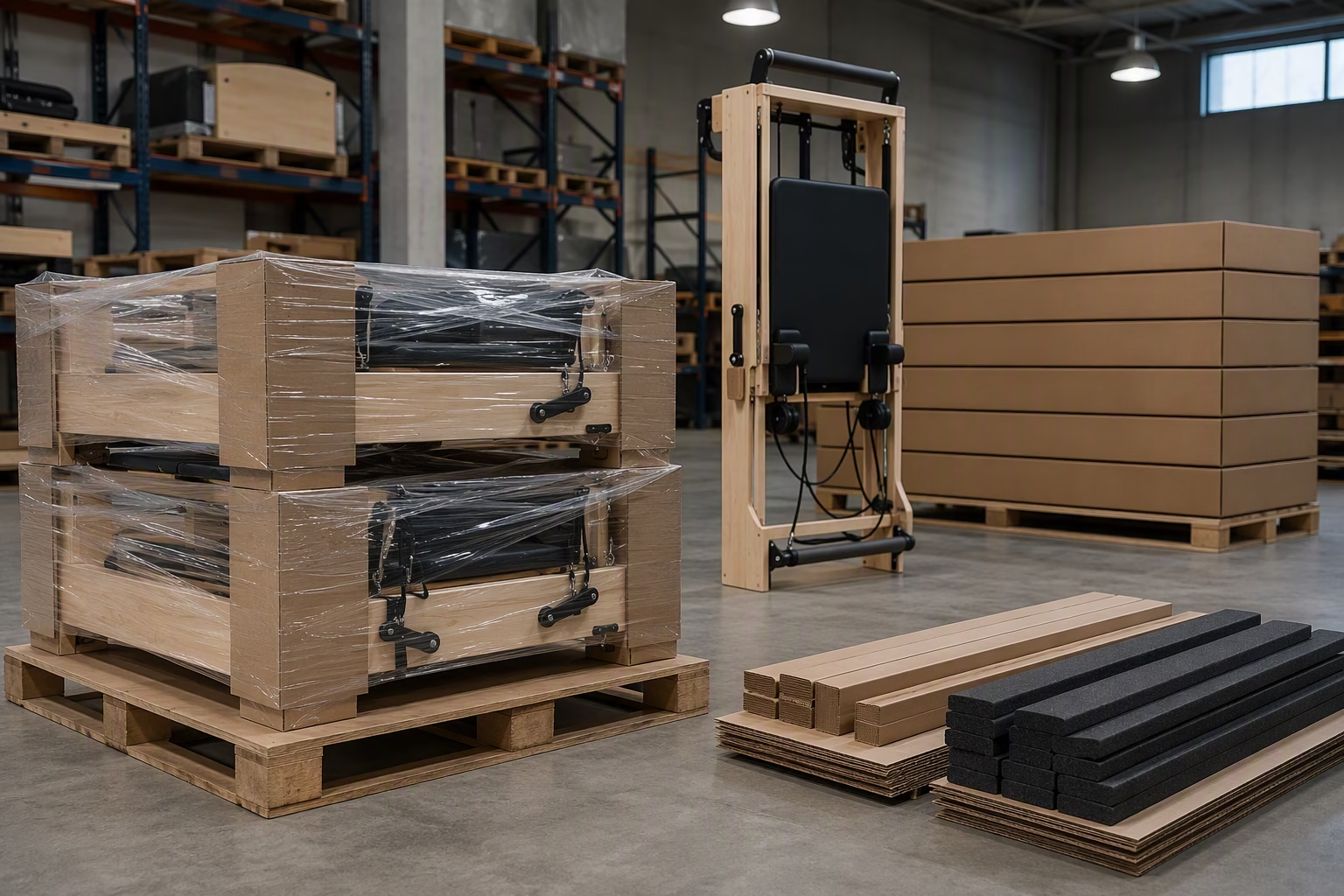
Assembled or knocked down. A crated, fully assembled reformer usually occupies around 2.3 by 0.75 by 0.45 metres. Ship the same machine with the frame, carriage and legs packed flat and the volume per unit drops by a third or more. That single decision explains most of the 15-versus-40 gap.
Pallet or floor loaded. Pallets make unloading faster and protect the crate corners. They also waste 8 to 12 percent of the container and cost you height. Floor loading recovers that space and costs you labour at the destination.
Crate thickness. Plywood crates built for a single sea leg are thinner than crates built for rail transfer after discharge. Thicker walls mean fewer machines.
A 20ft container is rated around 28 tonnes of payload. That number rarely applies in practice. Road limits in most destination countries bring the legal gross weight down well before you reach it.
A crated aluminium reformer runs roughly 90 to 140 kg. Volume runs out long before weight does, so you are usually filling space, not hitting a scale.
Wood reformers and reformer-tower combinations shift that balance. Add towers, cadillac tops or a mixed load and weight becomes the binding constraint. This is where a supplier who quotes purely on cubic metres gives you a plan that cannot legally move.
Very few buyers order one model in one finish. A realistic studio order is eight reformers, two reformers with tower, a cadillac and a box of springs.
Load heavy at the bottom. Stand towers upright and brace them, never lay them flat under crates. Keep the last two cubic metres for small items, because accessories fill dead space at almost no freight cost.
One caution. Do not fill a 40ft high cube to the roof if the destination has no forklift. I have seen a container arrive with 40 machines and no way to get them out of the door.
A megaformer is heavier and bulkier than a reformer. The carriage runs longer, the arms cantilever out, and the crate has to protect parts that stick out past the frame. Expect a 20ft to take 8 to 12 units and a 40ft high cube to take somewhere between 18 and 26.
One thing that does not apply here: voltage. A megaformer is a spring machine. No motor, no control box, no electrical specification to confirm before the container is booked. If a supplier asks which voltage you need for a megaformer, ask them what they are actually shipping you.
You can see the current megaformer range for reference dimensions.
Give those six answers and a real factory can come back with a loading plan and a landed cost estimate. Give a model name only, and you will get a guess dressed as a quote.
Freight per unit falls sharply as the container fills. A half-loaded 40ft can double your per-machine freight against a full one, and that difference is usually bigger than the discount you negotiated on the machines.
For a first order under about 15 cubic metres, LCL is the sane choice. Above that, a 20ft almost always wins once you count the destination charges.
If you are still choosing the machine itself, the commercial reformer range lists the models we build most often for studio fit-outs, and the foldable aluminium reformer is the one that changes the maths most, because it ships knocked down by design.
Ask for the crate dimensions in writing, in metres, before you compare quotes. Two suppliers can both say 20ft and mean two different things. The table above tells you what is possible. The crate drawing tells you what you are actually buying.
Send us your model mix, destination port and voltage. We will come back with a loading plan and a landed cost estimate.