info@wolsports.com
0086 132 8323 3443
Factory price pilates equipments

info@wolsports.com
0086 132 8323 3443
Factory price pilates equipments
Last year a studio owner in Denver called me on a Tuesday morning. Her flagship reformer had just snapped a spring during the 9 a.m. class. The client was fine, startled but fine. The machine was not. She had bought that reformer used, three years earlier, and had never once looked at the springs. No inspection, no replacement, no spare set in the closet.
I have fixed a lot of reformer problems over the years, and almost every one traces back to the same thing: nobody told the owner what maintenance actually looks like. So let me lay it out plainly. This is the routine we use in our own factory and the one we recommend to every studio that buys from us.
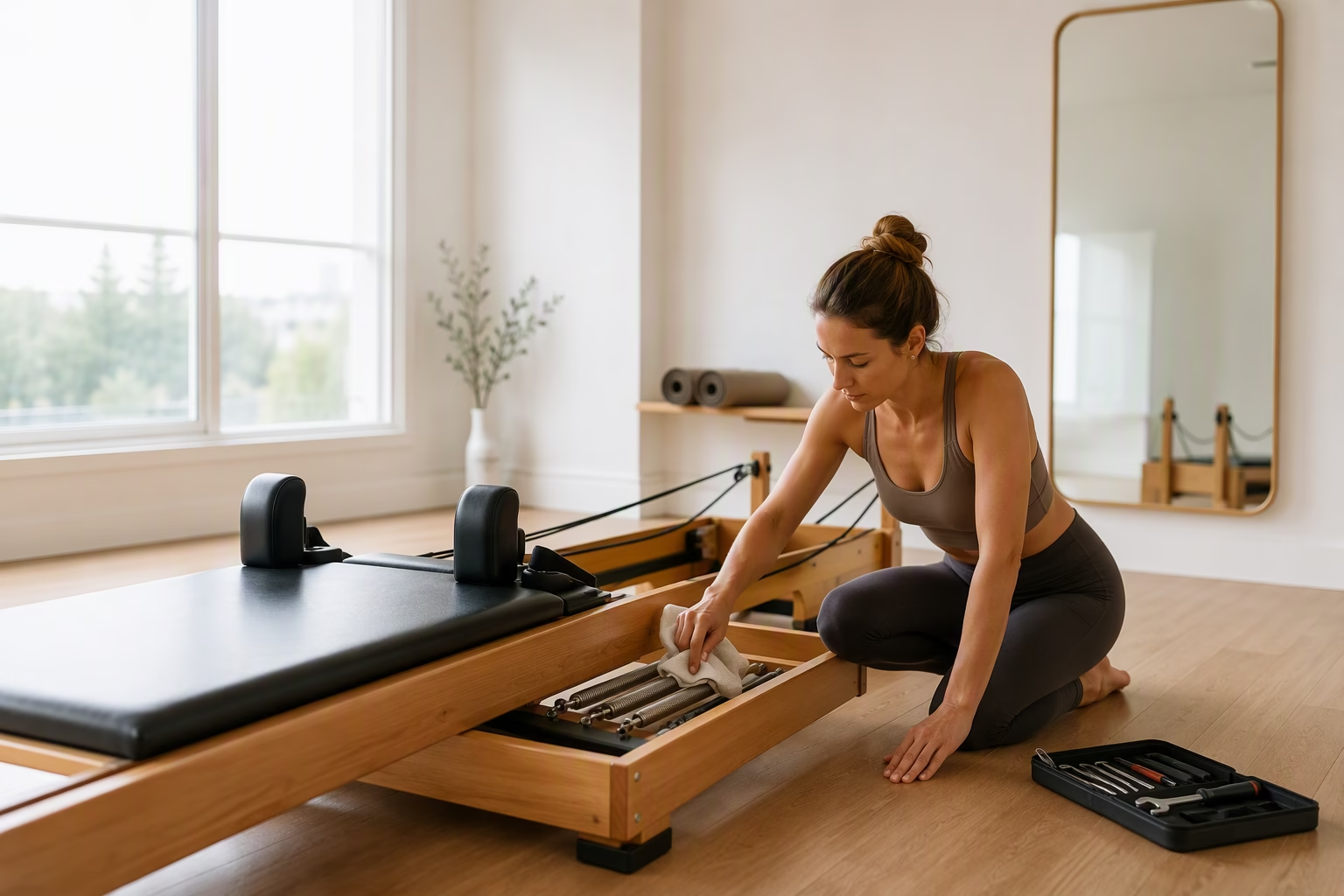
A reformer is a ten-year machine. The frame, the carriage, and the tracks will outlast most studios. But springs wear, straps fray, and ropes stretch. A machine that costs five thousand dollars new can feel like a hundred-dollar toy in year three if nobody touches it.
The math is simple. One replacement spring costs a fraction of one lost class. One snapped spring in a busy class can cost you a client. Maintenance is not an expense line. It is the cheapest insurance a studio owner can buy.
You do not need a technician for the basics. Walk the floor once a week with a dry cloth and look at every machine the same way.
Run the carriage from end to end. It should glide with the same effort in both directions. A sticky spot means dirt in the track or a wheel issue. Wipe the tracks with a dry cloth. No oil. Oil attracts dust and turns the track into sandpaper over time.
Check the footbar lock. It should click into each position with a firm stop. If it wobbles, tighten the hardware before a client finds out the hard way.
Look at the straps where they wrap around the pulleys. Fraying starts small. Catch it at the fuzz stage and you replace a strap. Miss it and you replace a client’s trust.
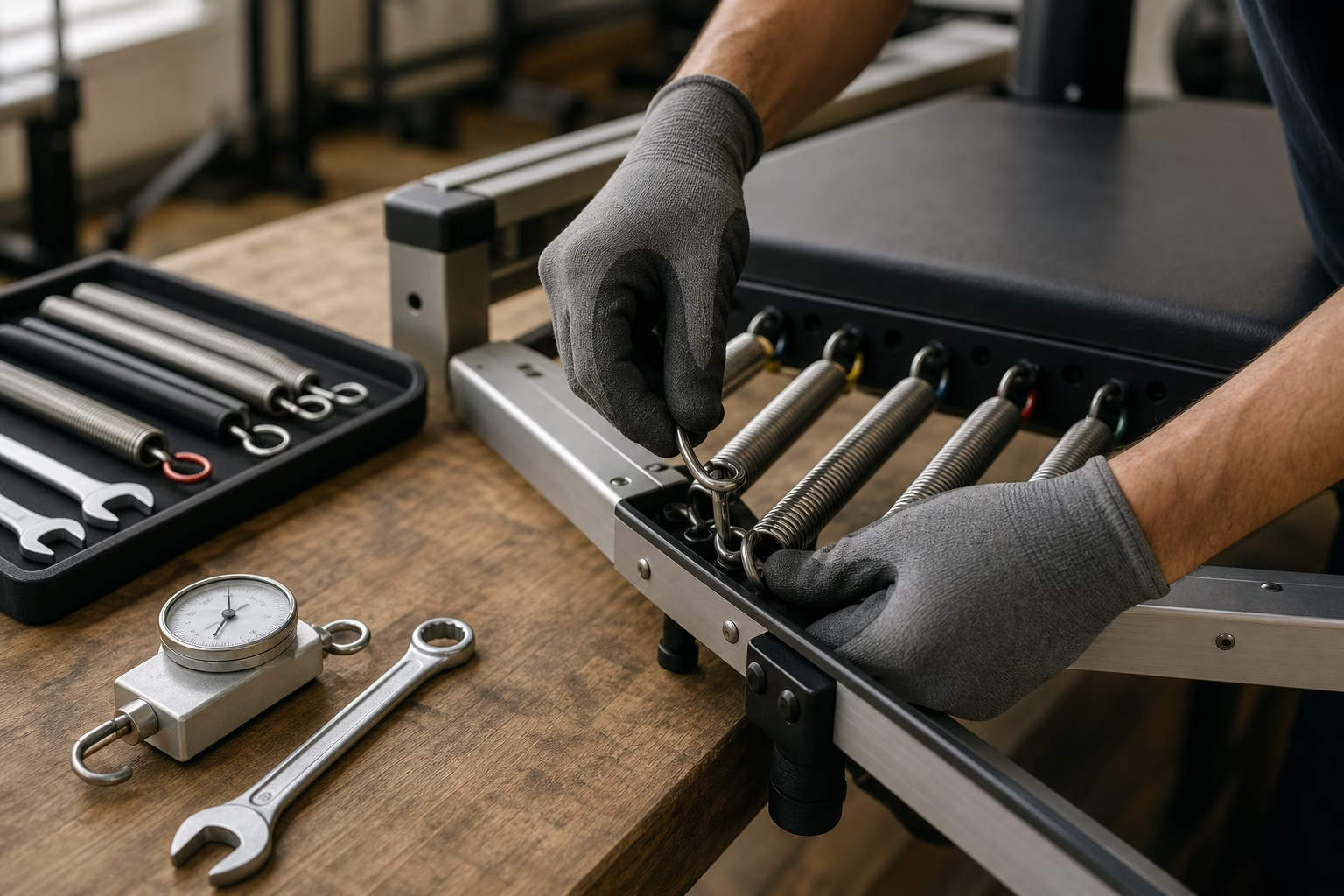
Springs are the most replaced part on any maple wood pilates reformer or aluminum unit we ship. They are also the most ignored. A spring set lasts roughly 10,000 to 15,000 cycles in commercial use, which sounds like a lot. At eight classes a day, that is about two to three years.
Test each spring by hand every month. Hook it on, pull it, and feel for two things. First, an even resistance through the whole pull. Second, no grinding or clicking. Clicking means a broken coil inside. That spring is done, no matter how new it looks.
Replace springs in sets, not one at a time. A mixed set of old and new springs pulls unevenly and feels wrong to clients who know the machine. Keep one full spare set per four reformers on the shelf.
Leather straps crack where they fold. Vinyl straps crack where they stretch. Check the full length once a month, not just the handle you grab.
Ropes should sit cleanly in their pulley grooves. A rope that jumps the groove is either stretched out or the pulley bearing is going. Listen for squeaks during a full pull. A dry pulley sounds like a door in a horror movie, and it means the bearing needs attention before it seizes.
The carriage wheels carry the whole class. Wipe the wheel surfaces and check them for flat spots. A wheel with a flat spot thumps through every exercise, and clients feel it through the padding.
If the carriage rattles, check the wheel bolts first. Loose bolts cause most rattles. Tighten them, test the glide, and only then look for worn bearings.
Wood frames and aluminum frames need different habits. Our WT aluminum alloy reformer shrugs off humidity and cleans with a damp cloth. Wood machines need gentler treatment.
For wood, wipe spills immediately and keep the studio between 40 and 60 percent humidity. A wood reformer that sits in a damp room for a season will warp, and no amount of polishing fixes a warped track. Do not use furniture polish on the frame. It builds up on the surface and transfers to clothing.
Order spare springs and straps with your initial purchase, not after the first failure. Factory parts are cheap. Expedited shipping after a breakdown is not, and neither is a week of a machine sitting idle in a corner.
When you buy from a manufacturer, ask which parts they stock and how fast they ship. A factory that keeps spares for its own models is worth more than a cheaper quote from one that does not. Our reformers with tower share most wear parts with the base models, so one spare kit covers both.
Put maintenance on the calendar like a class. Five minutes per machine per week. One full spring and strap inspection per month. One deep service per year, when you lubricate bearings, check every bolt, and replace anything borderline.
Stick to that and your fleet will still glide smoothly when the trend-chasing studios down the street are replacing their third batch of machines.
Keep the machines happy and they will keep the clients happy. That is the whole trick, and it is not a hard one.
Tell us your models and usage volume. We will send a spare-parts list and a factory-direct quote within one business day.

